
We may earn money or products from the companies mentioned in this post.
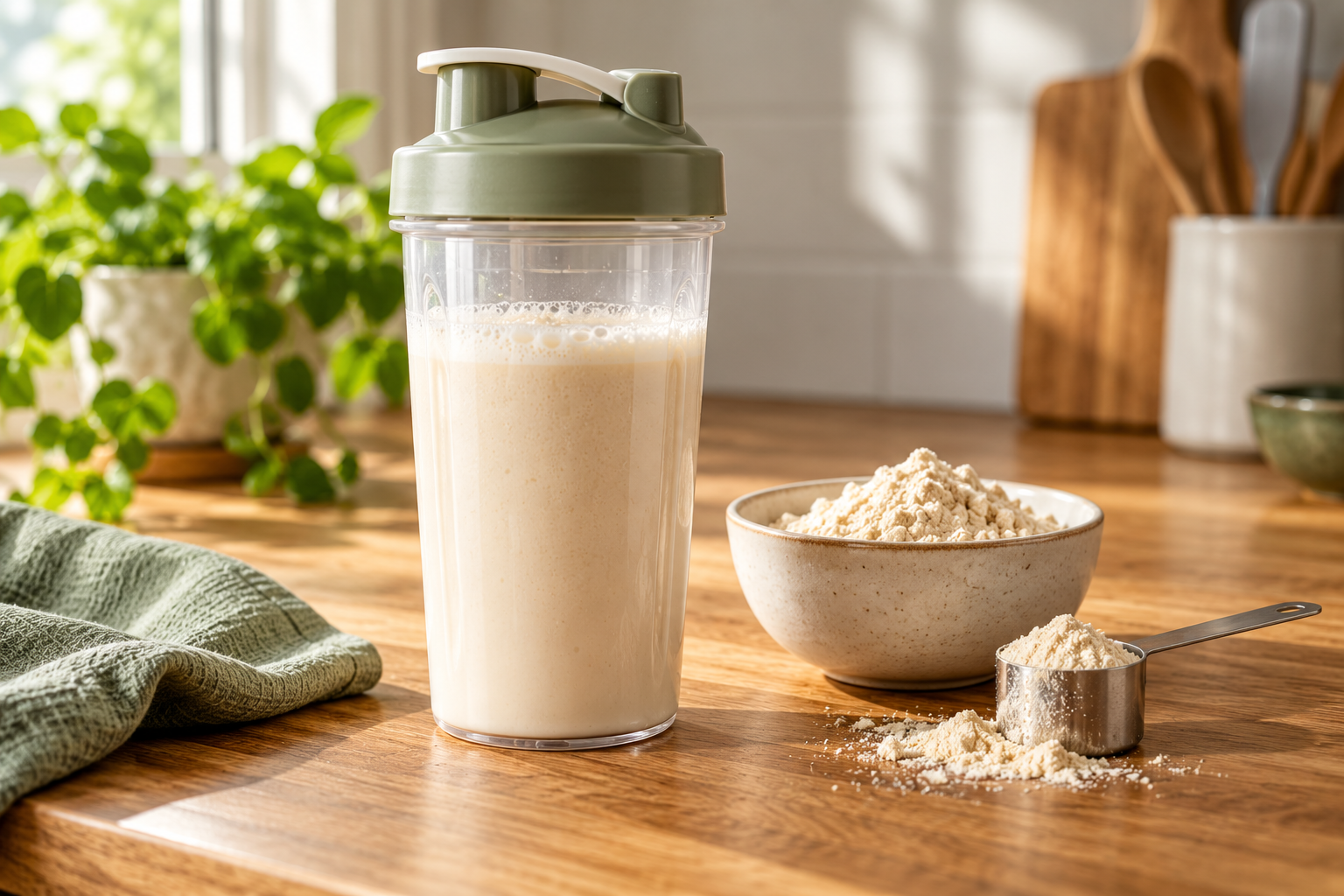
Myprotein Impact Whey is worth considering if you want a convenient whey protein powder and tolerate dairy. Whether it is a good buy depends on the exact flavour, your dietary needs and the price you actually pay.
This is a research-based review, checked on 31 October 2026. We have not taste-tested this product, measured its mixability or independently tested its contents. Product figures below refer to the UK listing, not every international formula.
Quick verdict
Consider it for a straightforward way to fill a protein gap. Compare alternatives if you need to avoid milk, want a vegan product or prefer an unsweetened formula. Being over 40 does not by itself make this product necessary, and we found no basis here to call it uniquely effective for this age group.
What is in the bag?
Impact Whey uses whey protein concentrate, derived from milk. The UK Vanilla selection we checked lists milk and soya, along with flavouring and sucralose. Check your exact pack for ingredients and allergens. Source: Myprotein’s current product listing.
Nutrition: read the selected flavour’s label
The selected UK Vanilla listing shows the following per 30 g serving of powder:
| Protein | 22 g |
| Energy | 114 kcal |
| Fat | 1.8 g |
| Carbohydrate | 2.7 g |
| Sugars | 1.5 g |
| Salt | 0.13 g |
The page also advertises up to 23 g protein across the range. Use the nutrition panel for your chosen flavour rather than assuming the headline applies to every bag. Mixing with milk changes the finished drink’s nutrition.
What matters after 40
Adequate protein supports muscle maintenance and the response to exercise, but a supplement is only one way to obtain it. The NIH Office of Dietary Supplements notes that people needing additional protein can get it from food and, if needed, supplements. This supports using a powder to fill an actual gap; it does not establish that this particular brand outperforms other protein sources.
Before buying, look at what you already eat on a typical day. A shake may be practical when preparing another meal is inconvenient. If your meals already meet your needs, buying powder may add expense without solving a problem.
If you have a medical condition or a prescribed diet, discuss supplements with your healthcare professional. The NIH consumer guide recommends professional advice when considering performance supplements, particularly with medical conditions or medicines.
Pros and cons
Reasons to consider it
- A measured serving offers a convenient way to add protein.
- The label makes it possible to compare protein and calories across products.
- You can judge value using the final checkout price rather than marketing claims.
Reasons to look elsewhere
- It is a milk-based product, so it is not a vegan choice.
- The checked flavour contains soya and a sweetener; those ingredients may not suit your preferences or allergies.
- We cannot score taste, texture or digestive comfort without hands-on testing.
- Different flavours and markets may have different nutrition, so a review cannot replace your own pack’s label.
How to judge value fairly
Compare the final price, including delivery, with the number of servings you will use. A larger bag is not a saving if you dislike the flavour and leave it unfinished. For a first purchase, a smaller size can be a sensible way to limit that risk.
For a like-for-like protein comparison, calculate: final price ÷ total grams of protein in the bag × 25. That gives the cost of 25 g of protein, independent of scoop size.
Illustrative example—not a current offer: a £30 bag with 30 servings containing 22 g protein each has 660 g protein in total. Its cost per 25 g protein is approximately £1.14. Use your own checkout price and label values.
Concentrate, isolate or plant-based?
Start with your dietary requirements, then compare the actual labels. Do not assume that a more expensive powder is automatically the better purchase for you.
| Whey concentrate | Consider if dairy suits you and the label and price meet your needs. |
| Whey isolate | Compare its own ingredient and nutrition panel. Do not assume the word isolate guarantees a lactose-free product. |
| Plant-based powder | Consider if avoiding dairy or following a vegan diet; check the full allergen statement and protein per serving. |
Using it in your routine
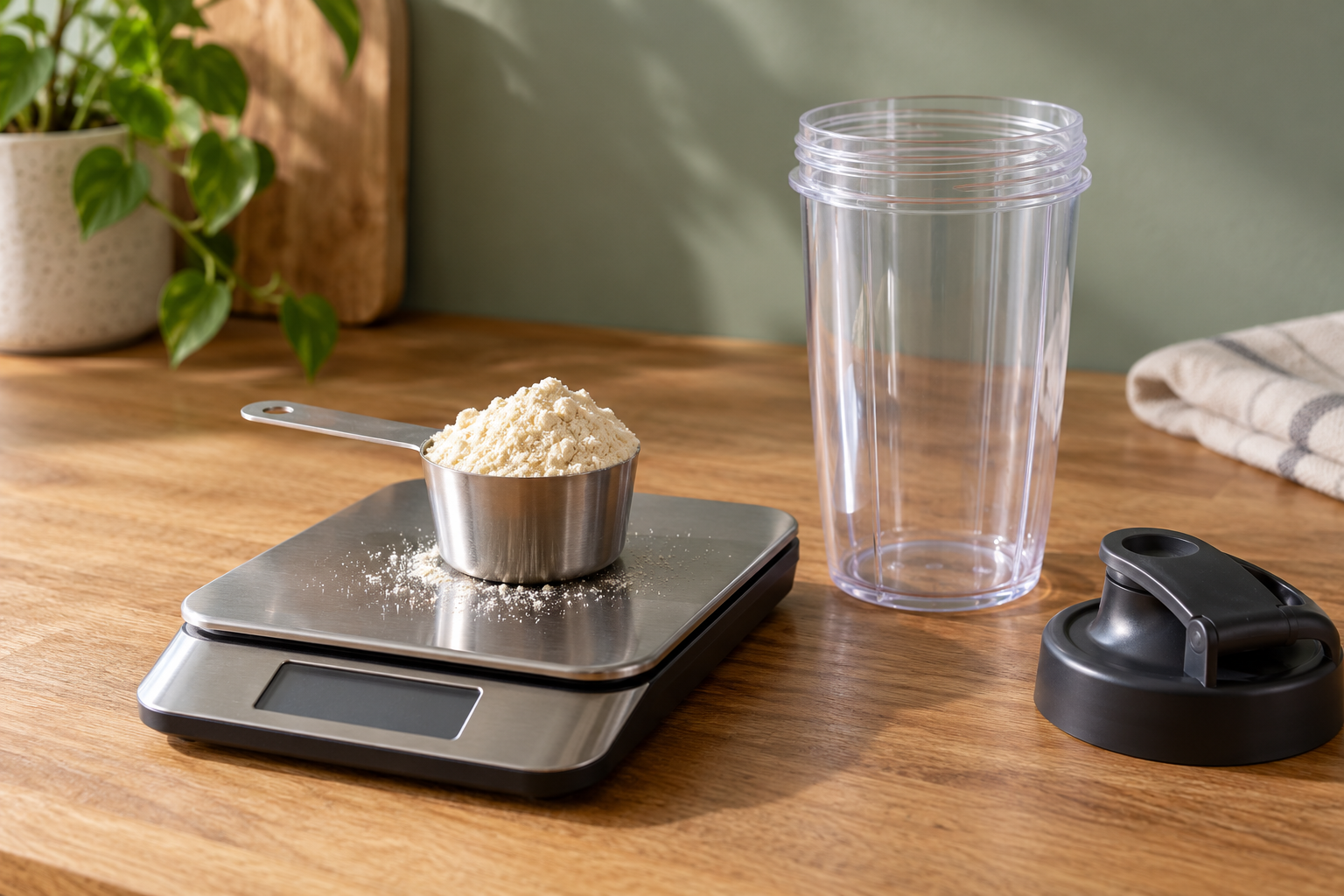
Follow the directions on your particular pack and weigh the powder when you need an accurate portion. Choose water or another suitable drink according to your preferences and account for any additional ingredients when tracking nutrition.
Keep a shake in proportion to the rest of your diet: convenience is its main practical advantage. It does not replace the variety of an ordinary meal or remove the need for a consistent exercise routine.
Our conclusion
Impact Whey is a reasonable product to compare if you tolerate its ingredients and want a convenient protein source. Our recommendation is conditional: check the exact flavour’s label, calculate value at checkout and avoid committing to a large bag before you know it suits you. We would not choose it solely because of an age-related marketing message or an advertised discount.
Browse our protein reviews and read about our research approach.
Images in this article are AI-generated editorial illustrations, not photographs of Myprotein products or evidence of product testing. This article provides general information, not personalised medical advice.
Pingback: Best Protein Powders for Active Adults Over 40: Whey, Isolate and Plant-Based Options – Active Protein 40+